

Nemtek Easy Electric Fence Tester
R310.00 Incl. VAT
- Simple electric fence power indicator (no batteries needed)
- High-voltage light pulses to show fence status: fast = strong voltage, slow = weak voltage
- Visible from up to 1 km at night and ~100 m by day
- Clips to connect to wire or poly tape — works with most energizers
- Waterproof, weather-resistant housing (IP66) for outdoor use
- Compact, lightweight and easy to install
Description
Nemtek Easy Electric Fence Tester
The Nemtek Easy Fence Tester gives you an instant, at-a-glance confirmation that your electric fence is live and working. No batteries, no settings, no hassle, the light flashes in sync with the fence pulse giving a quick visual indication of fence strength. It’s the easiest way to check fence status during installations, daily checks or after storms.
Key Features
- Self-powered — no batteries required
- Flashing high-voltage light shows fence status
- Faster flash = stronger voltage, slower flash = weaker voltage
- Visible up to 1 km at night and ±100 m in daylight
- Waterproof, weather-resistant (IP66 rating)
- Fits standard live wire or poly tape
- Compact and lightweight for everyday fence checks
Technical Specifications
- Power: Self-powered from the electric fence
- Visibility Range: ±1 km (night), ±100 m (day)
- IP Rating: IP66 weatherproof
- Application: Live wire or poly tape
- Compatibility: Works with most electric fence energizers
What’s in the Box
- 1 × Nemtek Easy Electric Fence Tester
In South Africa, an Electric Fence Certificate of Compliance (COC) is a mandatory document proving an electric fence installation meets safety regulations outlined in the Occupational Health and Safety Act, 1993 and SANS 10222-3.
What it is:
- An Electric Fence COC is an official document that certifies an electric fence installation is compliant with South African regulations.
- It ensures the fence is installed and maintained safely, preventing potential harm to people or animals.
- The COC is required for new installations, alterations, or when selling a property with an electric fence.
Why it's needed:
- Safety:
Ensures the electric fence is installed correctly and safely, preventing potential shocks or injuries.
- Legal Compliance:
The Occupational Health and Safety Act, 1993 (Act No. 85 of 1993) and SANS 10222-3: Electric Security Fencing Part 3 govern the requirements for electric fence installations.
- Property Transactions:
A COC is required when selling a property with an electric fence, demonstrating to potential buyers that the fence is safe and compliant.
- Liability:
Without a valid COC, property owners could face legal and financial consequences if an injury or incident occurs due to a non-compliant electric fence.
Who needs it:
- Property owners with electric fences, especially after October 1, 2012, when the regulations were updated.
- Anyone who alters or upgrades an existing electric fence after October 1, 2012.
- Property owners selling a property with an electric fence.
How to obtain a COC:
For residents and businesses based in Johannesburg, contact Stemar Security Systems for Electric Fence Installations, Repairs and Compliance Certificates.

- A registered and qualified electric fence installer must inspect the electric fence and issue the COC.
- The installer needs to have completed a registered EWSETA approved course to be qualified to issue a COC.
- You can find registered installers through organizations like Nemtek Training Academy or Stafix Electric Fence Centres.
Key points to remember:
- An electric fence COC is a separate requirement from an electrical compliance certificate.
- Property owners should ensure they have a valid COC for their electric fence to avoid legal and financial risks.
- If you are unsure about the requirements or need to obtain a COC, contact a registered electric fence installer.
Related products
- Quick view

-
Sale!
- Electric Fence Energizers, Electric Fencing
Nemtek Druid 20 LCD Fence Monitor
- Original price was: R4,477.00.R3,950.00Current price is: R3,950.00. Incl. VAT
- Add to basket
-
Sale!
- Quick view
-
Sale!
- Electric Fencing, Energizer Keypads & Tags
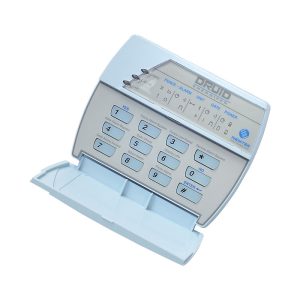
Nemtek Druid Single Zone Keypad
- Original price was: R789.00.R689.00Current price is: R689.00. Incl. VAT
- Add to basket
-
Sale!
- Quick view
-
Sale!
- Electric Fencing, Energizer Keypads & Tags
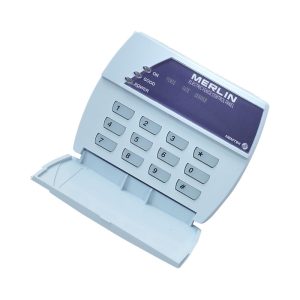
Nemtek Merlin Stealth Single Zone Dual Gate Keypad
- Original price was: R782.00.R669.00Current price is: R669.00. Incl. VAT
- Add to basket
-
Sale!
- Quick view
-
Sale!
- Electric Fence Energizers, Electric Fencing
Nemtek Druid 18 LCD Energizer
- Original price was: R4,754.00.R3,889.00Current price is: R3,889.00. Incl. VAT
- Add to basket
-
Sale!